Writing Institute story
Three Questions with Instructor Eileen Moskowitz-Palma
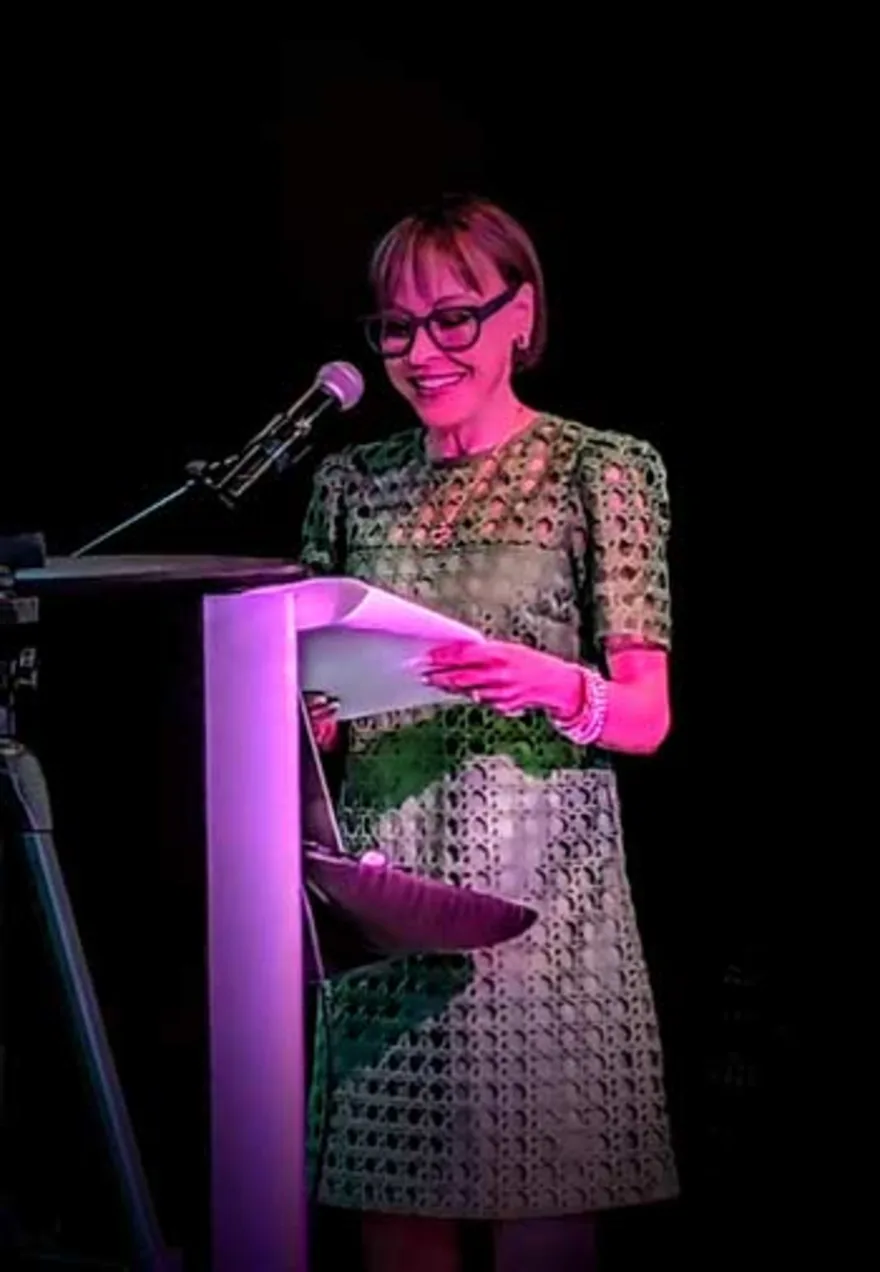
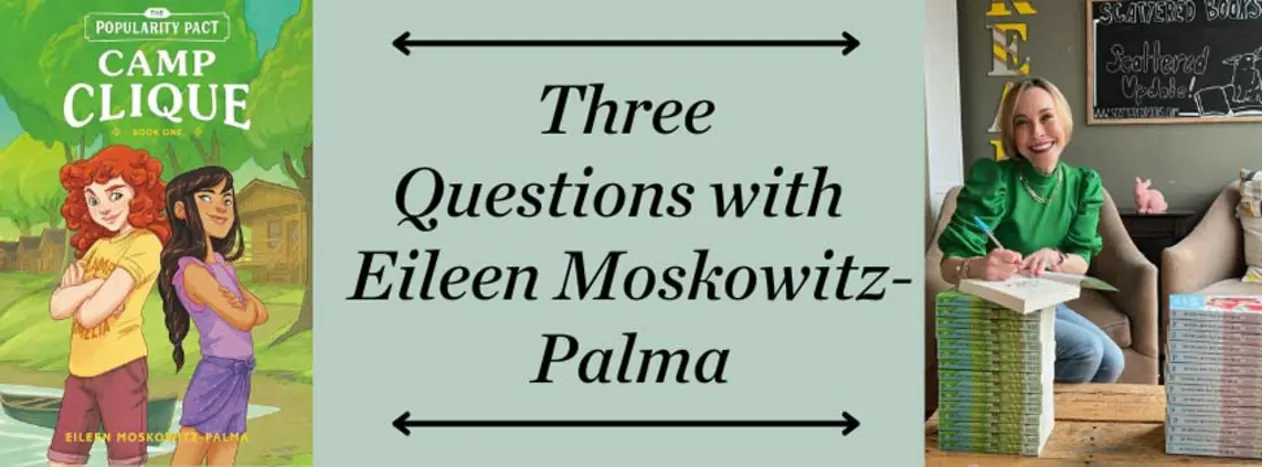
Eileen Moskowitz-Palma is returning to the Writing Institute as an instructor in 2026 to teach her class Structuring Your Novel . Eileen previously taught fiction for the Writing Institute for seven years, and is back now after a few years off to write and promote her middle grade book series.
Read on to get to know her and her writing life a bit better with a short interview!
1) The goal of your class is for students to complete a solid outline of their manuscript and better understand their plot points. Can you tell us more about how and why you developed this class, and your approach to plotting versus 'pantsing'?
I’m a plotter who believes in the magic of letting my characters pull me in a different direction every now and then. But I also appreciate the way pantsers allow their imagination to take them in unexpected places while they write. During the seven years I taught Beginner and Intermediate Novel Writing workshops at the Writing Institute, I realized that most workshop critiques relate to plotting issues. Even the questions about character development tied into the plot points. I just completed an MFA program where I saw the same thing. My goal is to help plotters develop a solid outline that will provide a foundation for their writing sessions. I would also love to be helpful for a panster who feels stuck. I wanted to develop a class that will help writers dig specifically into the intersection between character development and plot points. This class could also serve as a revision tool for a completed manuscript so that writers can make sure they hit all the structural notes before they send the book out on submission. My goal is to work like a team to help everyone in class build out a solid outline of their manuscript, so that each student walks away at the end of the semester with less anxiety and more focused writing sessions.
2) What is the writing advice you return to the most often?
Jodi Picoult said it best — “You can always edit a bad page. You can’t edit a blank page”.
I’m currently teaching ninth and tenth grade English and I’m noticing a lot of writing anxiety. Just like aspiring novelists, these students freeze up from the fear of not being good enough. I’ve been exploring with them what happens when they let go and just start writing. Whether you are a ninth grader writing an academic essay about A Raisin in the Sun, an aspiring novelist who is getting a workshop submission ready, or a published author with a looming deadline, this advice holds true. You can’t edit what’s not on the page.
3) You took classes with the Writing Institute previously! What makes you most eager to return to this writing community now?
The Writing Institute feels like home to me. Sixteen years ago, I registered for a novel writing workshop and found my writing community in that wood paneled Wrexham classroom. All of these years later, I’m still part of the same writing group we formed during that class. I still consider my novel writing teachers to be friends and mentors. I went on to teach Beginner and Intermediate Novel Writing at the Writing Institute for seven years and enjoyed fostering my own little writing community in my classes. I loved helping aspiring novelists turn their ideas into fully fleshed out manuscripts and becoming the friend and mentor my teachers were for me. But when my middle grade book series came out during the height of the pandemic, I took a break from teaching to start a virtual writing program for kids to help promote my books. My little Zoom writing clubs blew up into partnerships with the Girl Scouts and public libraries, and I continue that non-profit work to this day. I recently received my MFA from Emerson College’s Popular Fiction Writing and Publishing program. Those two experiences taught me so much about the business of being an author, and best workshop and teaching practices. I can’t wait to bring all that I have learned back home to The Writing Institute.
Interested in taking a class with Eileen or other Writing Institute instructors? View all available classes here.